
A Vet’s Guide to Cutting Through the Noise
Walk into any pet store and you’ll face a wall of options: grain-free, raw, organic, life-stage formulas, boutique brands with ingredient lists that read like a restaurant menu. It’s overwhelming—and you’re not alone in feeling that way.
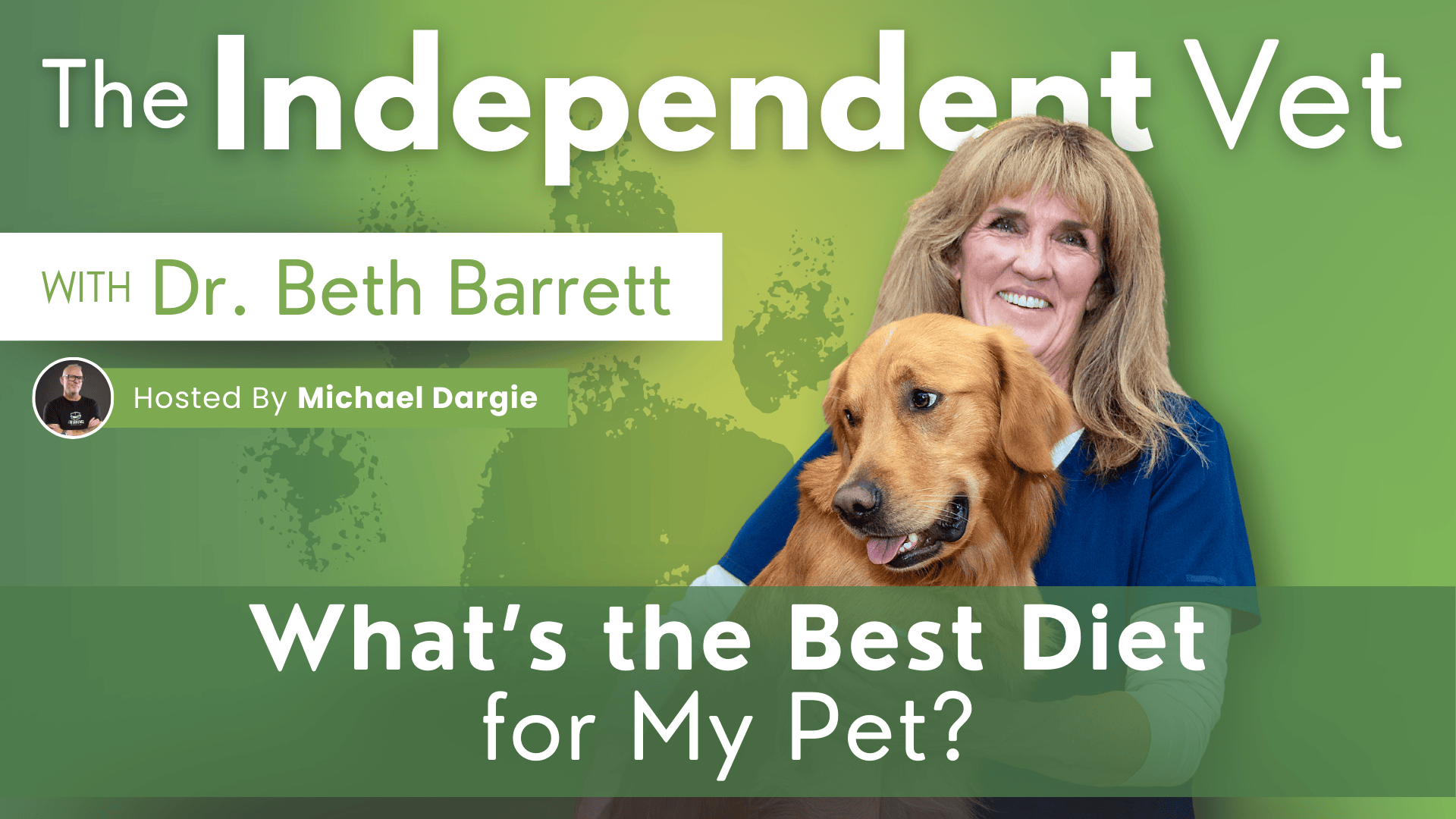
In the latest episode of The Independent Vet, Dr. Beth Barrett of Barrett Veterinary Practice in Alberta breaks down pet nutrition in a way that actually makes sense. No jargon, no judgment—just science-based guidance to help you make better choices for your furry (or hoofed) family members.
Start with the Basics
Good nutrition comes down to two things: macronutrients (protein, fat, and carbohydrates) and micronutrients (vitamins and minerals). Every species needs them, but the ratios vary dramatically. Dogs are omnivores with some dietary flexibility. Cats are obligate carnivores who must have meat—without taurine from animal protein, they risk blindness and heart disease. Horses are nomadic trickle feeders whose stomachs should never be empty for more than three hours. And goats? They’re browsers with a built-in fermentation system that thrives on roughage and shrubs.
Does Expensive Mean Better?
The short answer: sort of. Higher-cost foods often contain more protein (the most expensive nutrient to produce) and use better processing methods like freeze-drying. But some premium brands are heavy on marketing and light on substance. Dr. Beth’s advice? Look at the macronutrient breakdown rather than the price tag. For cats especially, check the carbohydrate percentage—most dry kibbles contain 40–50% carbs, which is far more than cats need and can lead to diabetes.
Three Things You Can Do Today
First, learn to do a body condition score on your pet. This simple visual and hands-on check tells you whether your pet needs more or fewer calories—and it should change with the seasons. Second, consider adding an omega-3 supplement (fish oil or algae oil) to your pet’s diet. Most commercial foods don’t contain enough, and omega-3s support brain health, joint function, and help manage inflammation. Third, skip the coconut oil. Despite what social media claims, it’s just a saturated fat with no demonstrated health benefits for pets.
The Bottom Line
Dr. Beth’s philosophy is refreshingly simple: keep your pet lean, and they’ll live longer, healthier lives with fewer vet bills. As she puts it, “You will spend less money on every single disease category if your animal is in a lean body condition.” That’s advice worth listening to.
Listen to the full episode of The Independent Vet wherever you get your podcasts.
Next Episode Teaser
About the Author: Roxane Wenstrom